Paintings to buy online | Contemporary Art Sale
Modern painting, abstract, Pop Art, black and white art, expressionist painting, marine canvas, watercolor, oil, artistic assemblage...
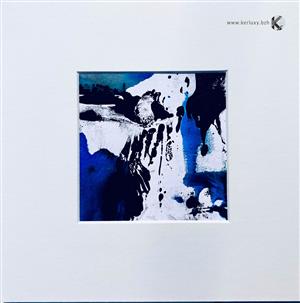
(3,94" x 3,94")
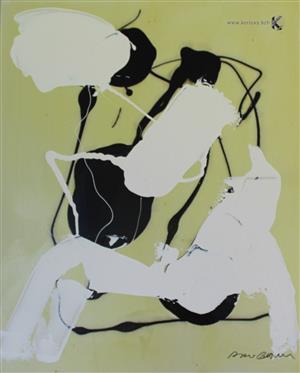
(3'37" x 31.89")
 Celtland-Brittany France
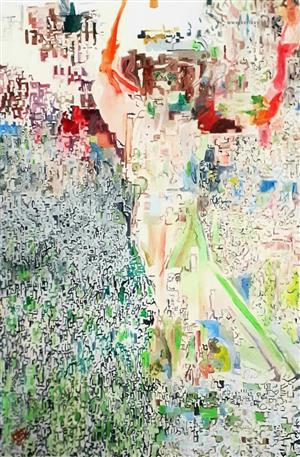
(57.48" x 38.58")
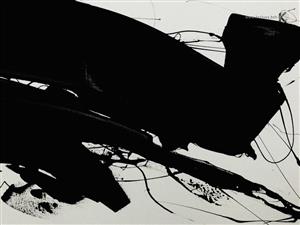
(19.69" x 3'37")
Celtland-Brittany France
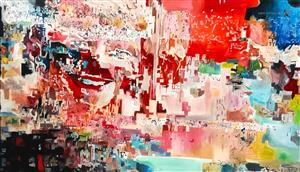
(40.16" x 66.14")
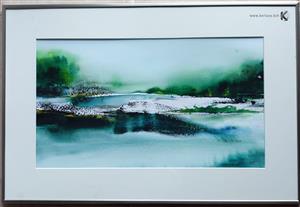
(15.75" x 23.62" framed)
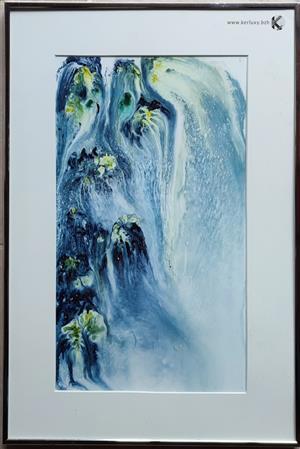
(23.62" x 15.75" framed)
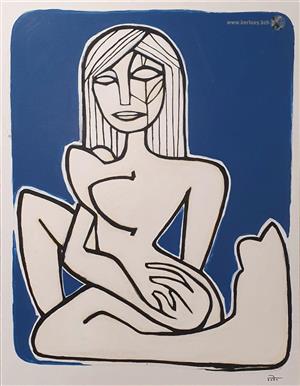
(36.22" x 28.74")
Celtland-Brittany France
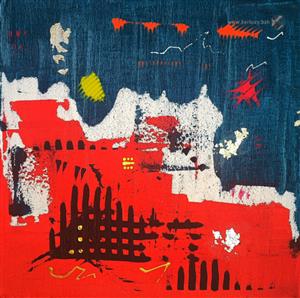
(15.75" x 15.75")
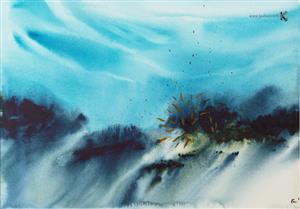
(7.87" x 11.81")
Celtland-Brittany France
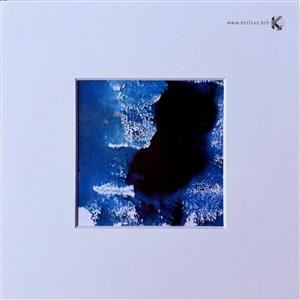
(3,94" x 3,94")
(28.74" x 19.69")

(3,94" x 3,94")
(35.43" x 35.43")
(19.69" x 27.56")
Celtland-Brittany France
(31.50" x 31.50")
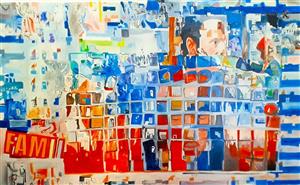
(35.43" x 57.48")
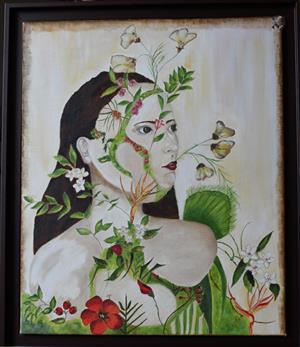
(21.65" x 17.72")
Celtland-Brittany France
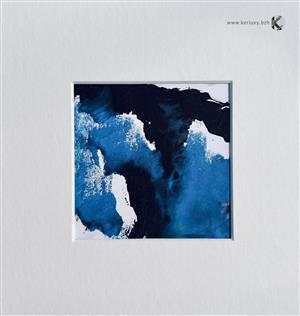
(3,94" x 3,94")
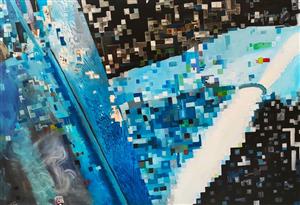
(38.58" x 57.48")
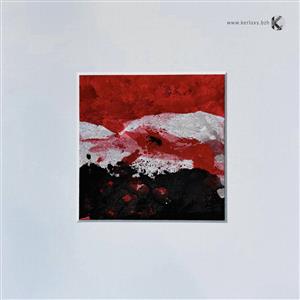
(3.94" x 3.94")
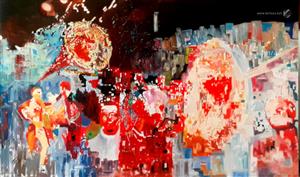
(35.43" x 57.48")
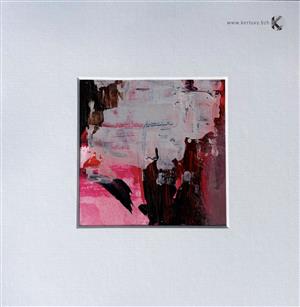
(3,94" x 3,94")
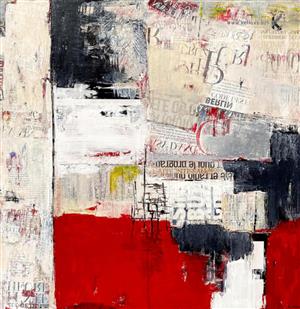
(31.50" x 31.50")
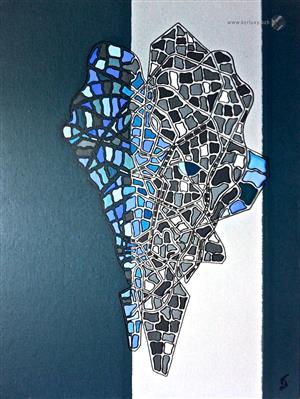
(24.02" x 18.11")
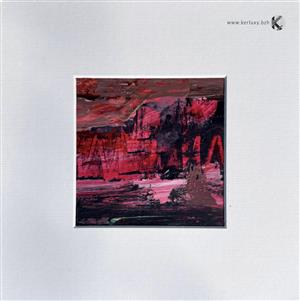
(3,94" x 3,94")
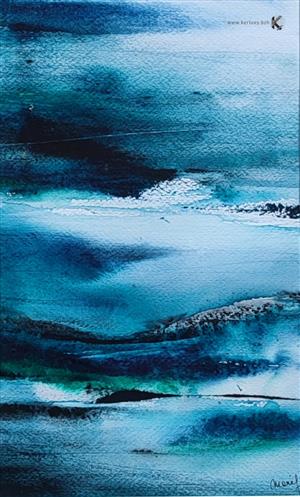
(17.32" x 12.60" framed)
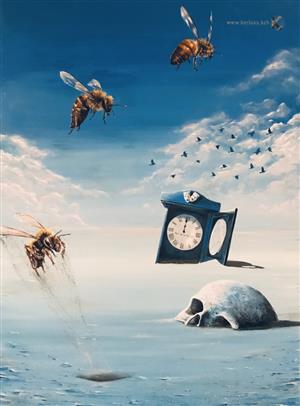
(31.50" x 23.62")
Celtland-Brittany France
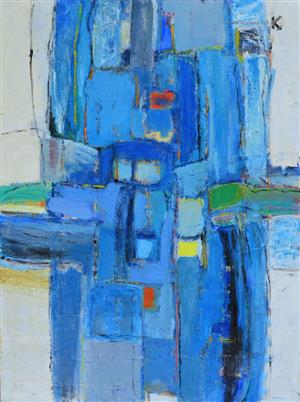
(51.18" x 38.19")
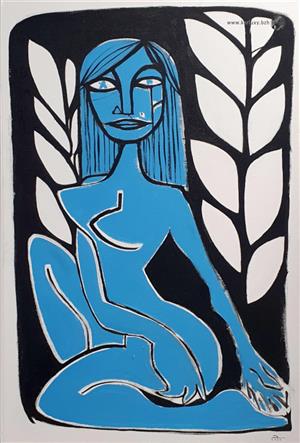
(36.22" x 23.62")
Celtland-Brittany France
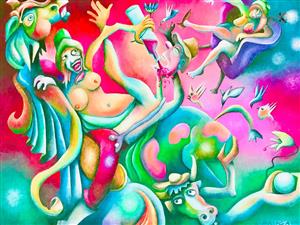
(31.50" x 3'37")
Celtland-Brittany France
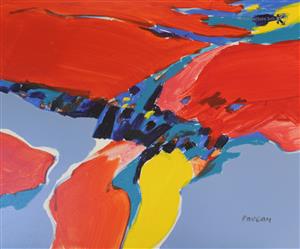
(35.43" x 45.31")
Celtland-Brittany France
(21.26" x 28.74")
(18.11" x 12.99")
(19.69" x 19.69")
Celtland-Brittany France
(3'37" x 31.89")
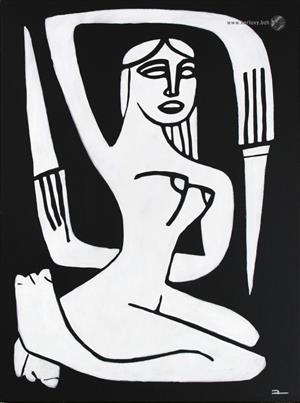
(28.74" x 21.26")
Celtland-Brittany France
(19.69" x 4'11.06")
Celtland-Brittany France
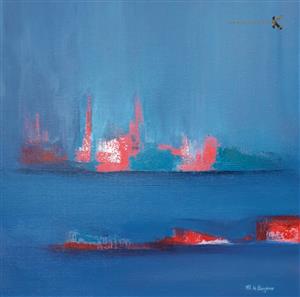
(19.69" x 19.69")
Celtland-Brittany France
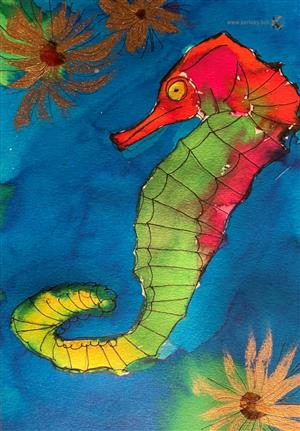
(11.69" x 8.27")
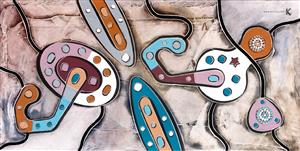
(15.75" x 31.50")
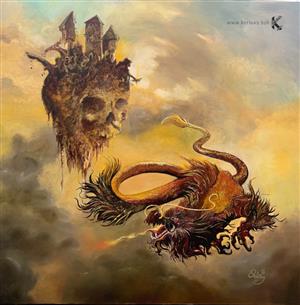
(23.62" x 23.62")
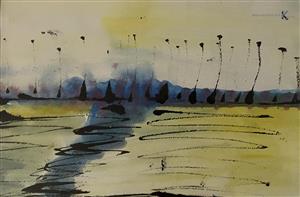
(8.27" x 11.69")
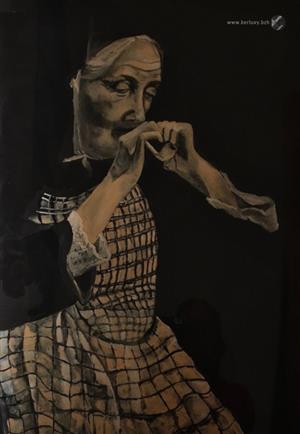
(39.76" x 28.35")
Celtland-Brittany France
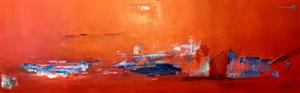
(19.69" x 4'11,06")
Celtland-Brittany France
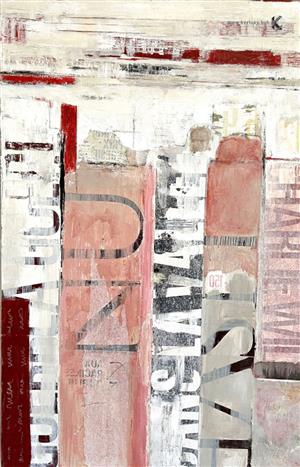
(36.22" x 23.62")
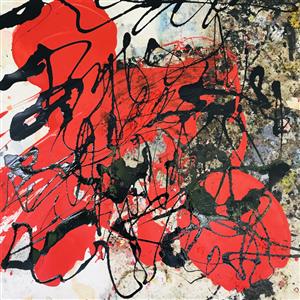
(3'37" x 3'37")
Celtland-Brittany France
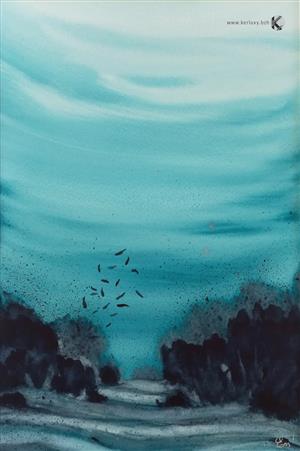
(11.81" x 7.87")
Celtland-Brittany France
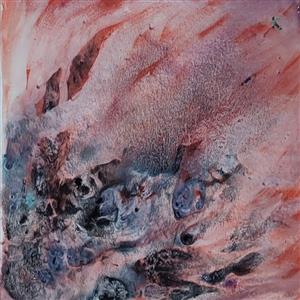
(20.08" x 20.08" framed)
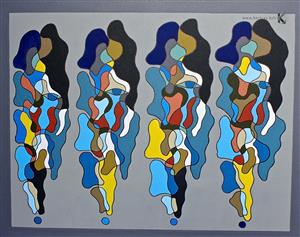
(28.74" x 36.22")
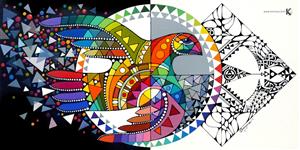
(19'69" x 39'37")
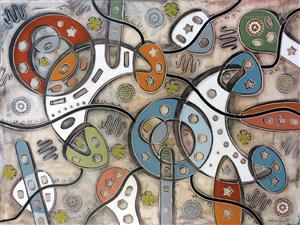
(23.62" x 31.50")
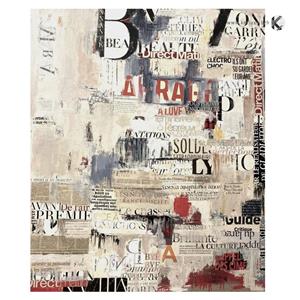
(36.22" x 28.74")
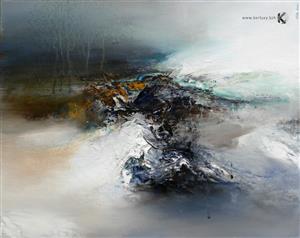
(14.96" x 18.11")
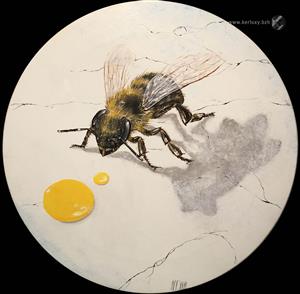
(Circular canvas of 11.81" diameter x )
Celtland-Brittany France
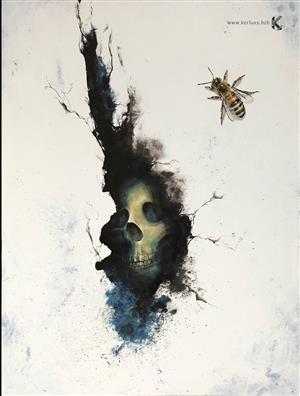
(31.50" x 23.62")
Celtland-Brittany France
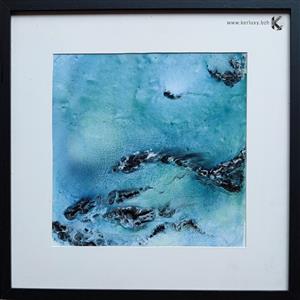
(15.75" x 15.75" framed)
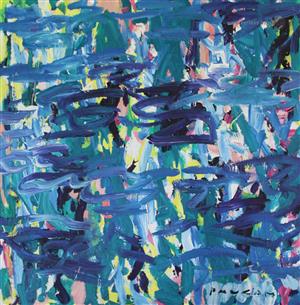
(31.50" x 31.50")
Celtland-Brittany France
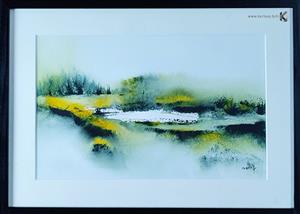
(12.40" x 17.32" framed)
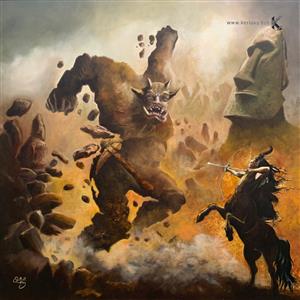
(31.50" x 31.50")
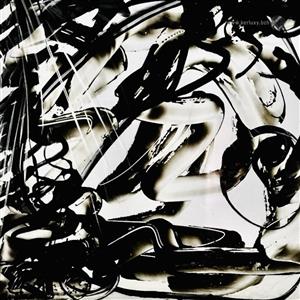
(3'37" x 3'37")
Celtland-Brittany France
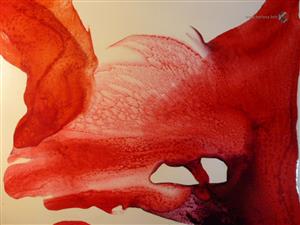
(31.50" x 31.50")
Celtland-Brittany France
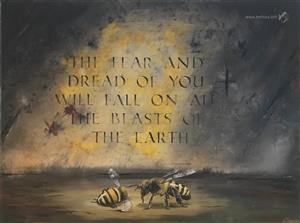
(23.62" x 31.50")
Celtland-Brittany France
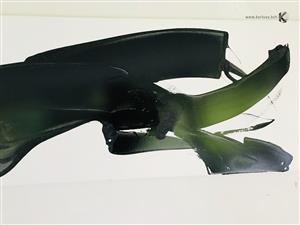
(19.69" x 3'37")
Celtland-Brittany France
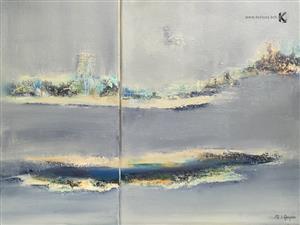
(23.62" (I) + 23.62" (II) x 11.81" (I) + 18.11" (II))
Celtland-Brittany France
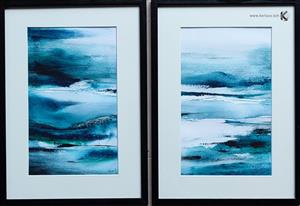
(17.32" x 12.60" framed)
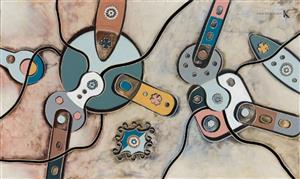
(23.62" x 3'37")
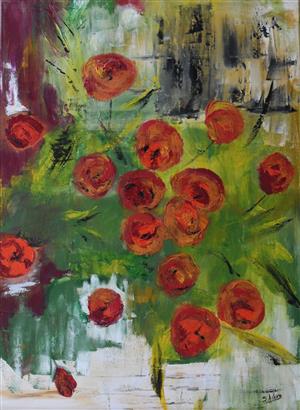
(27.56" x 19.69")
Celtland-Brittany France
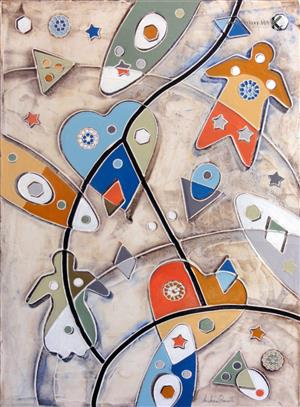
(27.56" x 19.69")
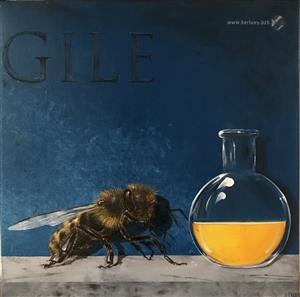
(15.75" x 15.75")
Celtland-Brittany France
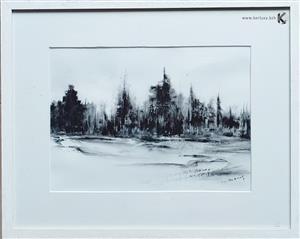
(15.75" x 19.69" framed)
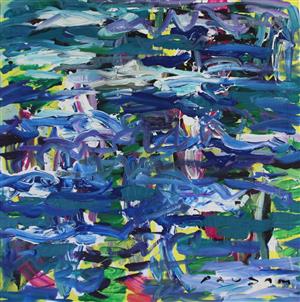
(31.50" x 31.50")
Celtland-Brittany France
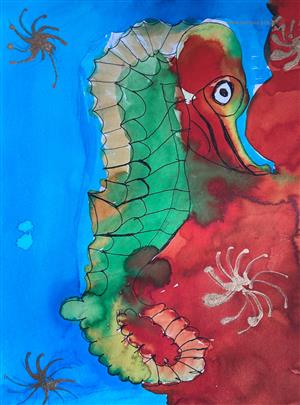
(11.69" x 8.27")
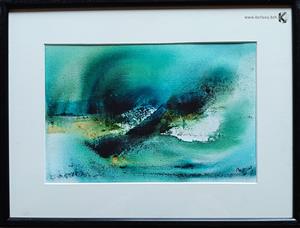
(11.81" x 15.75" framed)
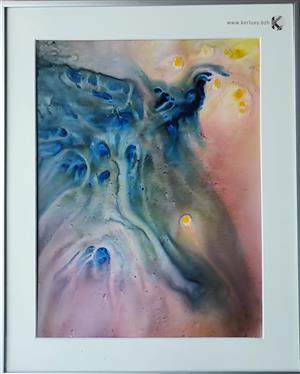
(19.69" x 15.75" framed)
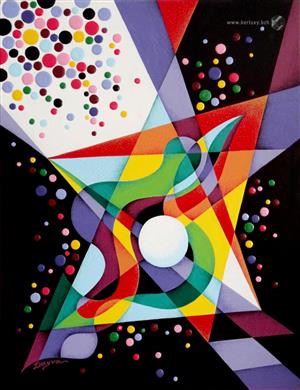
(25'59" x 19'69")
(15.75" x (15.75" + 15.75"))
Celtland-Brittany France
(8.27" x 11.69")
(11.69" x 8.27")
(23.62" x 31.50")
Celtland-Brittany France

(15.75" x 15.75")
Celtland-Brittany France
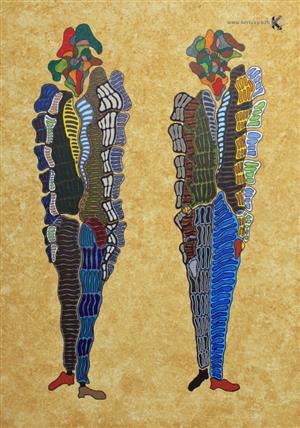
(3'37" x 27.56")
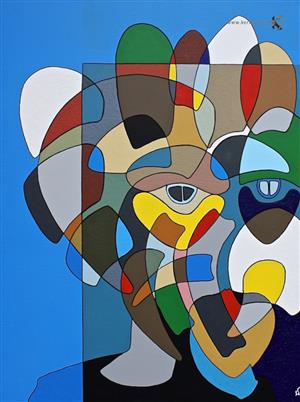
(51.18" x 38.19")
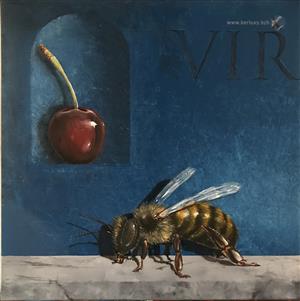
(15.75" x 15.75")
Celtland-Brittany France
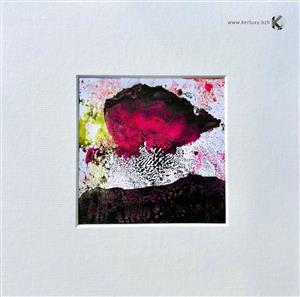
(3,94" x 3,94")
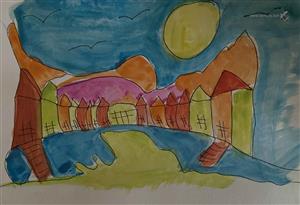
(21 sm x 29,7 sm)

(15.75" x 47.24")
Celtland-Brittany France
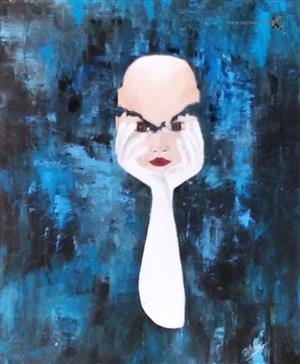
(21.65" x 18.11")
Celtland-Brittany France
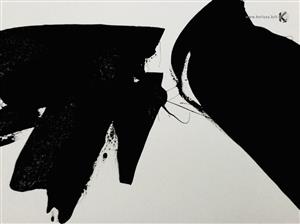
(19.69" x 3'37")
Celtland-Brittany France
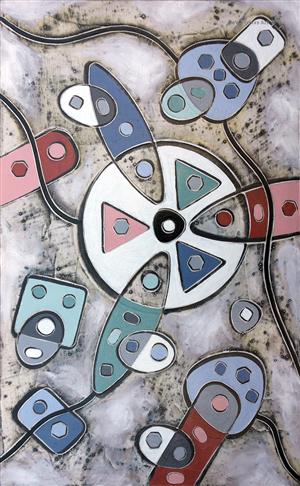
(31.50" x 19.69")
(14.96" x 18.11")
(11.69" x 8.27")
(23.62" x 31.50")
Celtland-Brittany France
(23.62" x 23.62" framed)
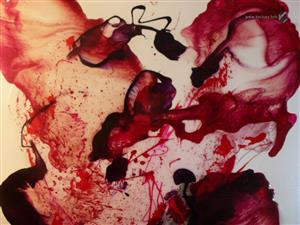
(31.50" x 31.50")
Celtland-Brittany France
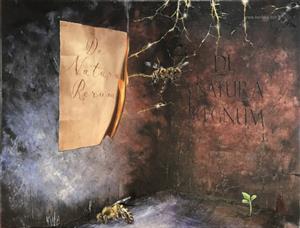
(23.62" x 31.50")
Celtland-Brittany France
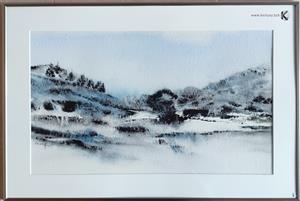
(15.75" x 23.62" framed)
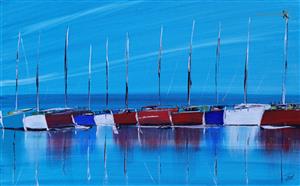
(14.96" x 24.02")
Celtland-Brittany France
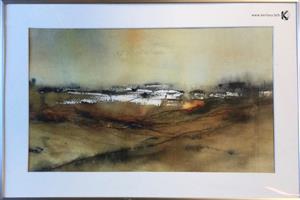
(15.75" x 23.62" framed)
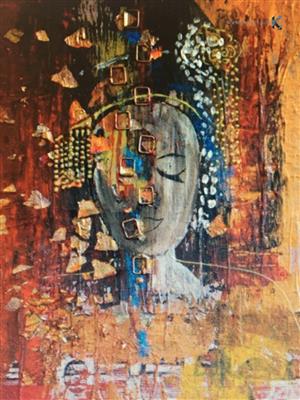
(33.46" x 22.83")
Celtland-Brittany France
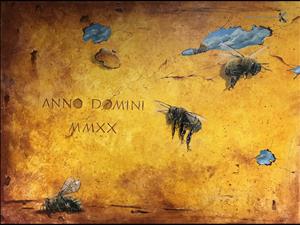
(23.62" x 31.50")
Celtland-Brittany France
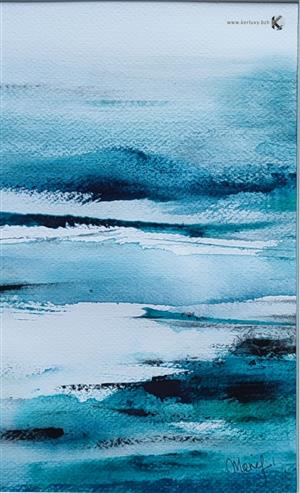
(17.32" x 12.60" framed)
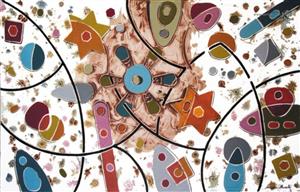
(19.69" x 31.50")
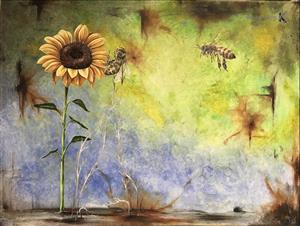
(23.62" x 31.50")
Celtland-Brittany France
(9.84" x 21.65")
Celtland-Brittany France
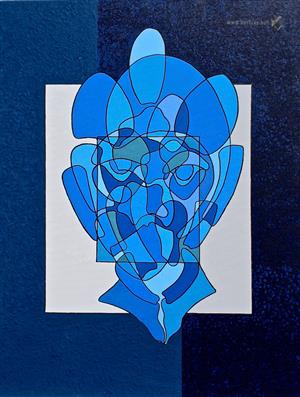
(45.67" x 35.04")
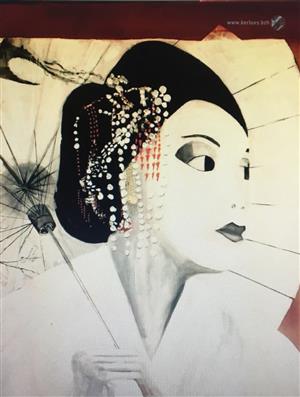
(3'37" x 3'37")
Celtland-Brittany France
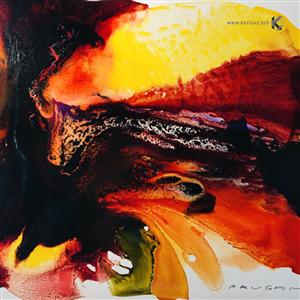
(31.50" x 31.50")
Celtland-Brittany France
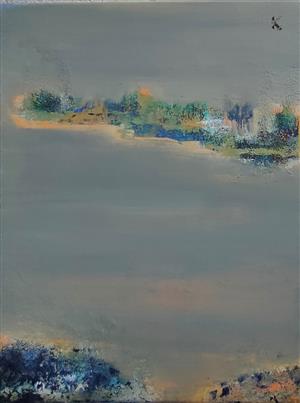
(23.62" x 18.11")
Celtland-Brittany France
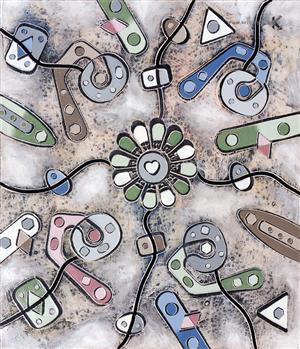
(31.50" x 27.56")
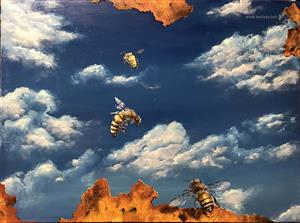
(23.62" x 31.50")
Celtland-Brittany France
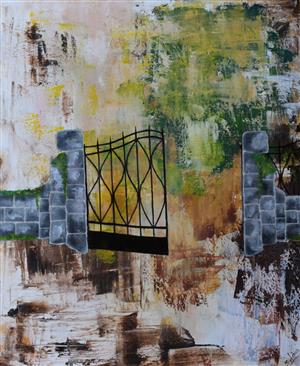
(23.62" x 19.69")
Celtland-Brittany France
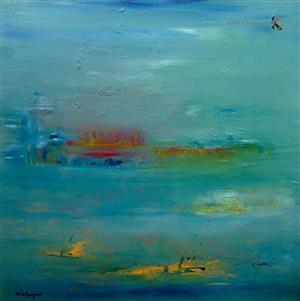
(31.50" x 31.50")
Celtland-Brittany France
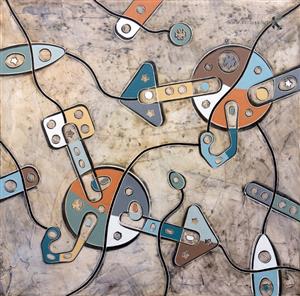
(3'37" x 3'37")
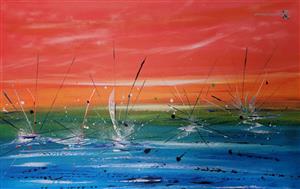
(25.59" x 3'37")
Celtland-Brittany France
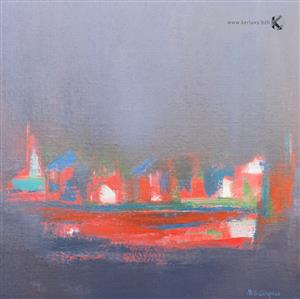
(19.69" x 19.69")
Celtland-Brittany France
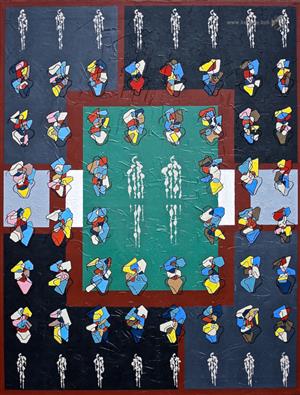
(45.67" x 35.04")
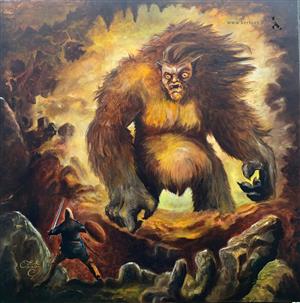
(23.62" x 23.62")
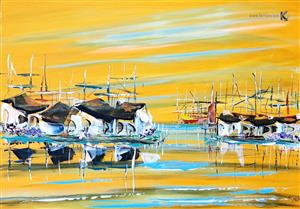
(18.11" x 25.59")
Celtland-Brittany France
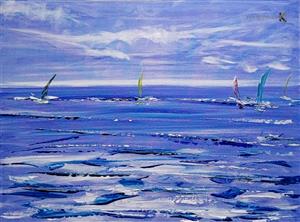
(17.72" x 24.02")
Celtland-Brittany France
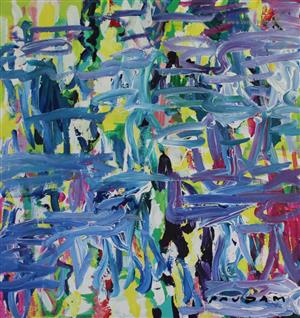
(31.50" x 31.50")
Celtland-Brittany France
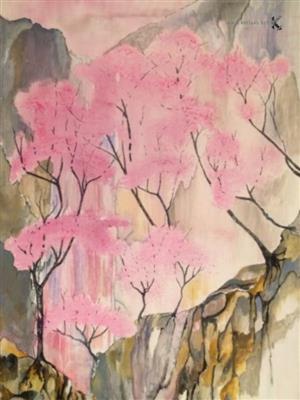
(33.86" x 25.98")
Celtland-Brittany France
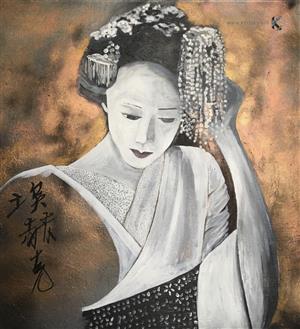
(3'37" x 3'37")
Celtland-Brittany France
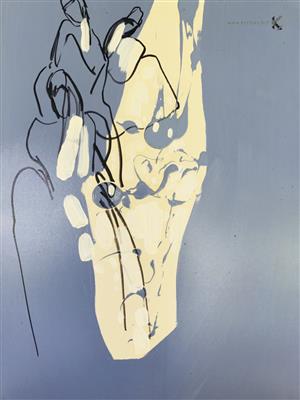
(39.37" x 39.37")
Celtland-Brittany France
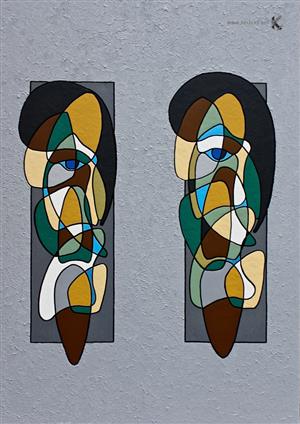
(3'37" x 27.56")
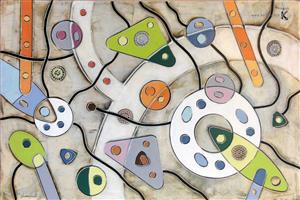
(23.62" x 35.43")
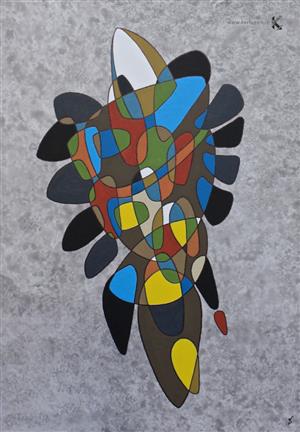
(3'37" x 27.56")
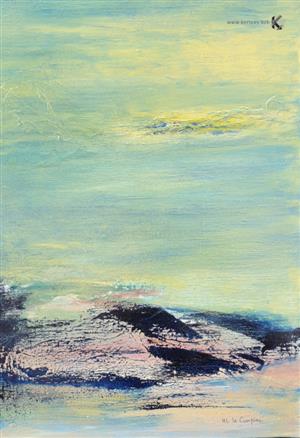
(18.11" x 12.99")
Celtland-Brittany France
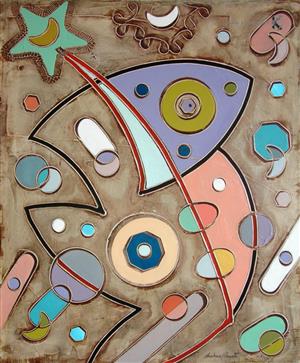
(23.62" x 19.69")
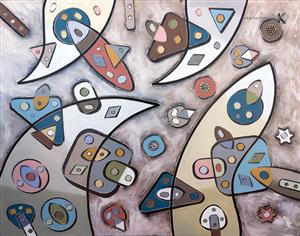
(31.50" x 3'37")
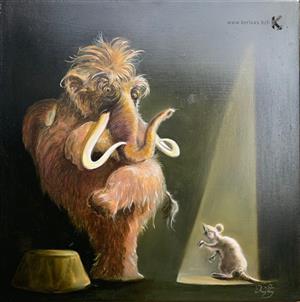
(15.75" x 15.75")
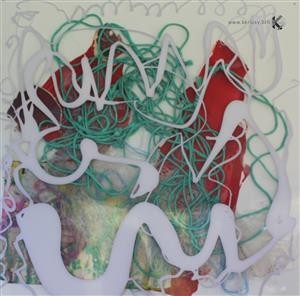
(3'37" x 3'37")
Celtland-Brittany France
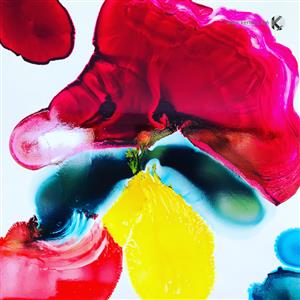
(3'37" x 3'37")
Celtland-Brittany France
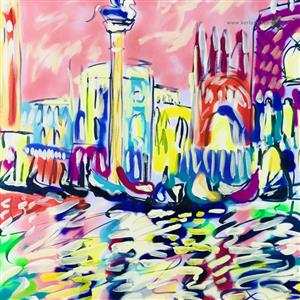
(3' 37" x 3' 37")
Celtland-Brittany France
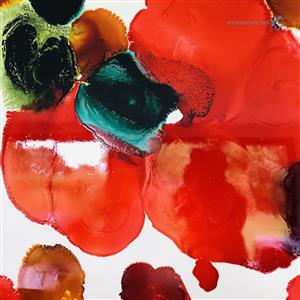
(3'37" x 3'37")
Celtland-Brittany France
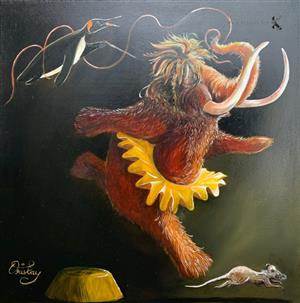
(15.75" x 15.75")
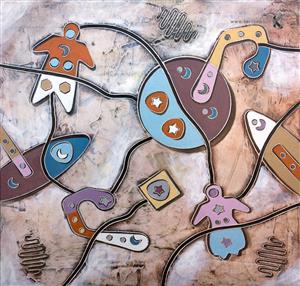
(27.56" x 27.56")
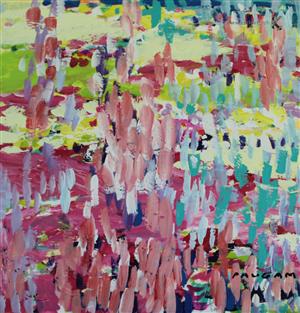
(31.50" x 31.50")
Celtland-Brittany France
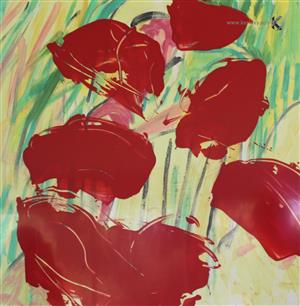
(3'37" x 3'37")
Celtland-Brittany France
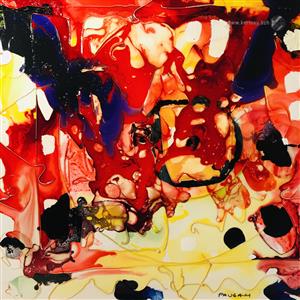
(31.50" x 31.50")
Celtland-Brittany France
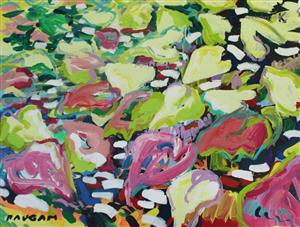
(35.43" x 43.31")
Celtland-Brittany France
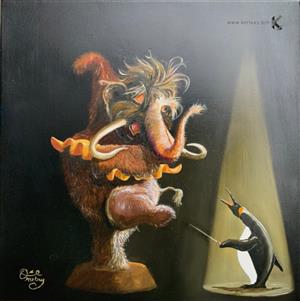
(15.75" x 15.75")
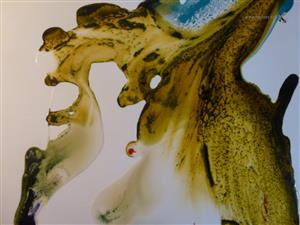
(31.50" x 31.50")
Celtland-Brittany France
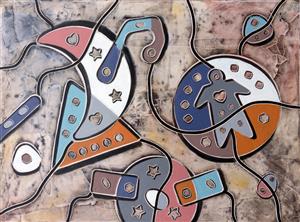
(23.62" x 31.50")
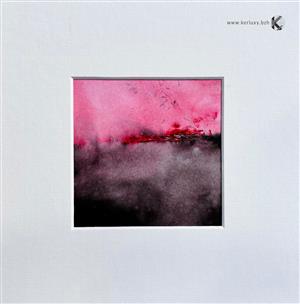
(3,94" x 3,94")
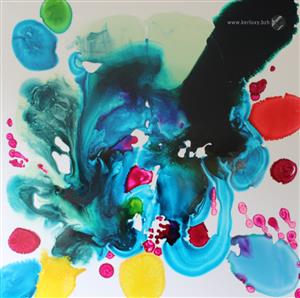
(3'37" x 3'37")
Celtland-Brittany France
(27.56" x 3'37")
(27.56" x 27.56")
(31.50" x 23.62")
(35.04" x 45.67")
Celtland-Brittany France
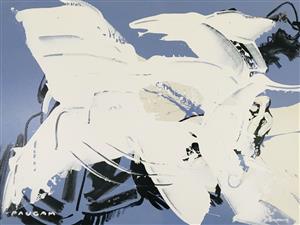
(28.74" x 3'37")
Celtland-Brittany France
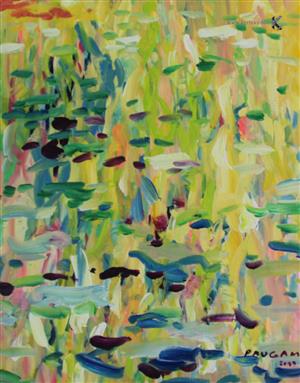
(3'37" x 28.74')
Celtland-Brittany France
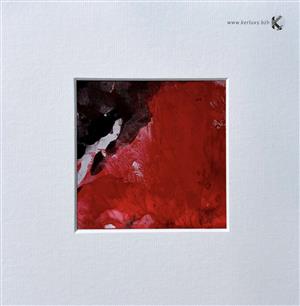
(3,94" x 3,94")
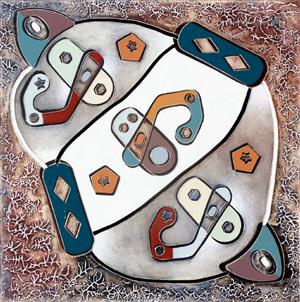
(27.56" x 27.56")
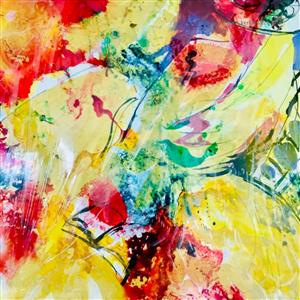
(3'37" x 3'37")
Celtland-Brittany France
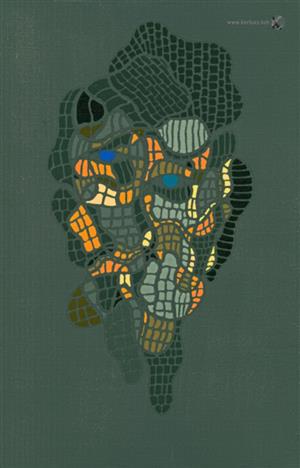
(16.14" x 10.63")
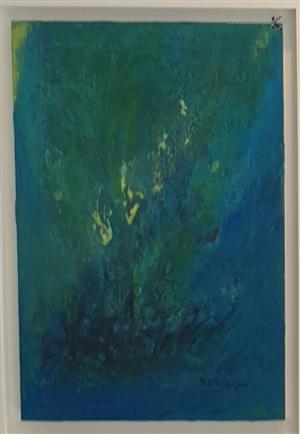
(18.11" framed x 12.60" framed)
Celtland-Brittany France
( 19.69" x 3'37")
Celtland-Brittany France
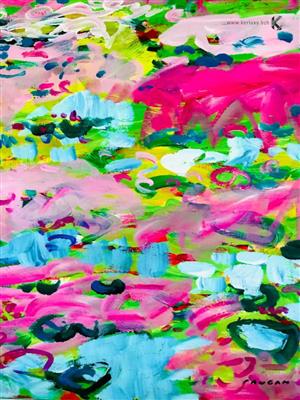
(3'37" x 28.74")
Celtland-Brittany France
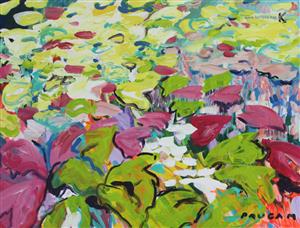
(35.04" x 45.67")
Celtland-Brittany France

(6 panels of 3 ft 5.34 in x 6 panels of 3 ft 3.37in)
Celtland-Brittany France
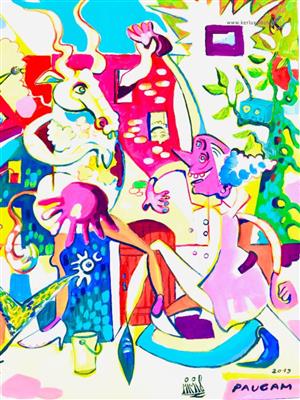
(3'37" x 31.50")
Celtland-Brittany France
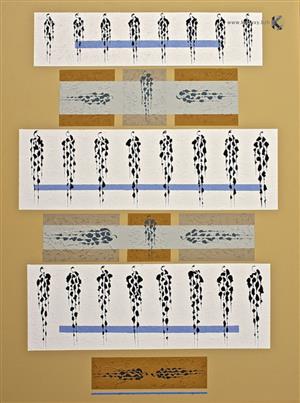
(51.18" x 38.19")
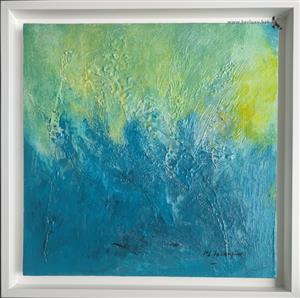
(13.78" x 13.78")
Celtland-Brittany France
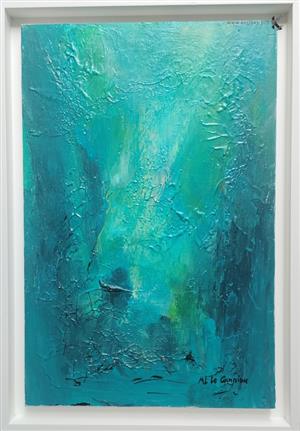
(18.11" framed x 12.60" framed)
Celtland-Brittany France
 Paintings for sale online | Contemporary art sale
Abstraction, Pop Art, Impressionism, Japanese art, seascapes, portraits, landscapes and florals, black and white... a collection of contemporary paintings spanning diverse worlds.
At KerLuxY, we're passionate about creating warm, designer spaces. We have therefore selected for you a reasonable number of unique and original works of art by both emerging and renowned artists:
The ocean plays a key role at Kerluxy, the West Coast Art Gallery, where marine canvases, watercolors and paintings in shades of blue abound. Here, sand is weighted down on an Urban Art Canvas with the captivating "Trouville" by artist Twoodje, or the fishing net gleaned from a beach in Brittany that has washed up in an Artistic Assemblage with the fascinating "Magic Box" by artist Daniel Paugam;
Lovers of loft spaces and California cottages have inspired us. So we've selected for them, and for you, a collection of abstract paintings and modern canvases to buy online, designed to liven up your off-white or eggshell walls;
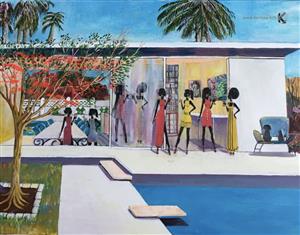
Dive into Pop Art, influenced by British painter David Hockney, with this "Cocktail by the Pool" painting by artist Eric Pichon;
Discover chic Black & White artworks;
One of the House's favorites is the expressionist painting "Haro" by artist Jiel, reminiscent of "The Scream" by Norwegian artist Edvard Munch.
Whether you're an art lover or a passionate collector, we invite you to stroll through our online gallery, seeking our advice to guide you in your choices.
Treat yourself to a work of art from as little as 80 euros!
And do not be afraid to make people Jealous!
Each artistic movement reveals a unique way of looking at the world. Explore our painting collections and let yourself be guided through various styles, techniques, and inspirations.
Abstract painting
Color, texture, and gesture break free from reality to make way for emotion.
Animal painting
Wildlife inspires contemporary works where power, poetry, and character converge.
Black and white painting
Absolute contrast harnessed for graphic impact and emotional resonance.
Contemporary painting
A selection of current works featuring diverse styles and sensibilities.
Cubist painting
Geometric compositions that reinvent forms and perspectives.
Expressionist painting
Works where the intensity of gesture and color conveys emotion.
Fantastic painting
Imaginary worlds where creatures, myths, and dreamlike scenes coexist.
Impressionist painting
Light, movement, and landscapes at the heart of evocative painting.
Japanese-style painting
An aesthetic inspired by Japan, blending refinement, balance, and poetry.
Landscape and floral painting
Nature, seasons, and blooms reimagined by contemporary artists.
Marine and ocean painting
Oceans, shores, and seascapes interpreted through a contemporary lens.
Pop Art painting
Bold works inspired by popular culture and iconic figures.
Portrait painting
Gazes, faces, and presences that tell a story.
Urban painting
Lines, architecture, and textures create a contemporary vision of the city.
Acrylic painting
A modern technique offering great freedom of expression and texture.
Ink painting
Fluidity, depth, and contrast give rise to works of great intensity.
Oil painting
A rich, deep medium creating timeless yet contemporary works.
Delicate transparencies where water reveals the full subtlety of color.

- MODERN ART (1850-1945) - Modern Art began with the Impressionist painters. Painting took a new direction, moving away from classical movements. Colors were pure and often juxtaposed in small brushstrokes. Modern Art also embraced a wide range of forms (photography, film, decorative arts, etc.).
- CONTEMPORARY ART (from 1945 to the present) - Works created since the end of World War II are classified as Contemporary Art, regardless of styles. To describe a work as contemporary art is to acknowledge its avant-garde nature.